Alaska Vehicle Resale Value: What Winter Damage Really Costs You
Alaska vehicle resale value is heavily affected by road salt, moisture, corrosion, gravel, and long winters that slowly wear down both the visible and hidden areas of a vehicle over time.
Most vehicle owners in Alaska think about winter damage in terms of inconvenience. Dirty paint, road grime, slush buildup, and muddy interiors are all part of daily life for several months out of the year. What many people do not realize is that the real damage often continues long after winter ends, quietly reducing the long-term value of the vehicle underneath the surface.
In Alaska, preserving a vehicle is not simply about appearance. It is about protecting one of the largest investments most people make outside of their home. Corrosion, paint deterioration, interior wear, and underbody damage all impact resale value, trade-in value, long-term reliability, and overall ownership cost. By the time many owners notice these problems, the damage is already well underway.
At Rocket Paint Works in Soldotna, we regularly work on vehicles that still look excellent at first glance but already show early signs of wear underneath from Alaska roads and weather conditions. The harsh environment here accelerates vehicle aging far faster than many people expect, especially for trucks, SUVs, and daily drivers exposed to year-round moisture, gravel, road salt, and freeze-thaw cycles.
Why Alaska Is Harder on Vehicles Than Most States
Alaska driving conditions create a perfect environment for long-term vehicle deterioration. Winter roads introduce constant moisture, slush, road grime, and corrosive materials underneath the vehicle, while freeze-thaw cycles repeatedly stress exposed surfaces and protective coatings. Gravel roads and sanded highways add another layer of abrasion that slowly wears down paint, trim, and exposed components over time.
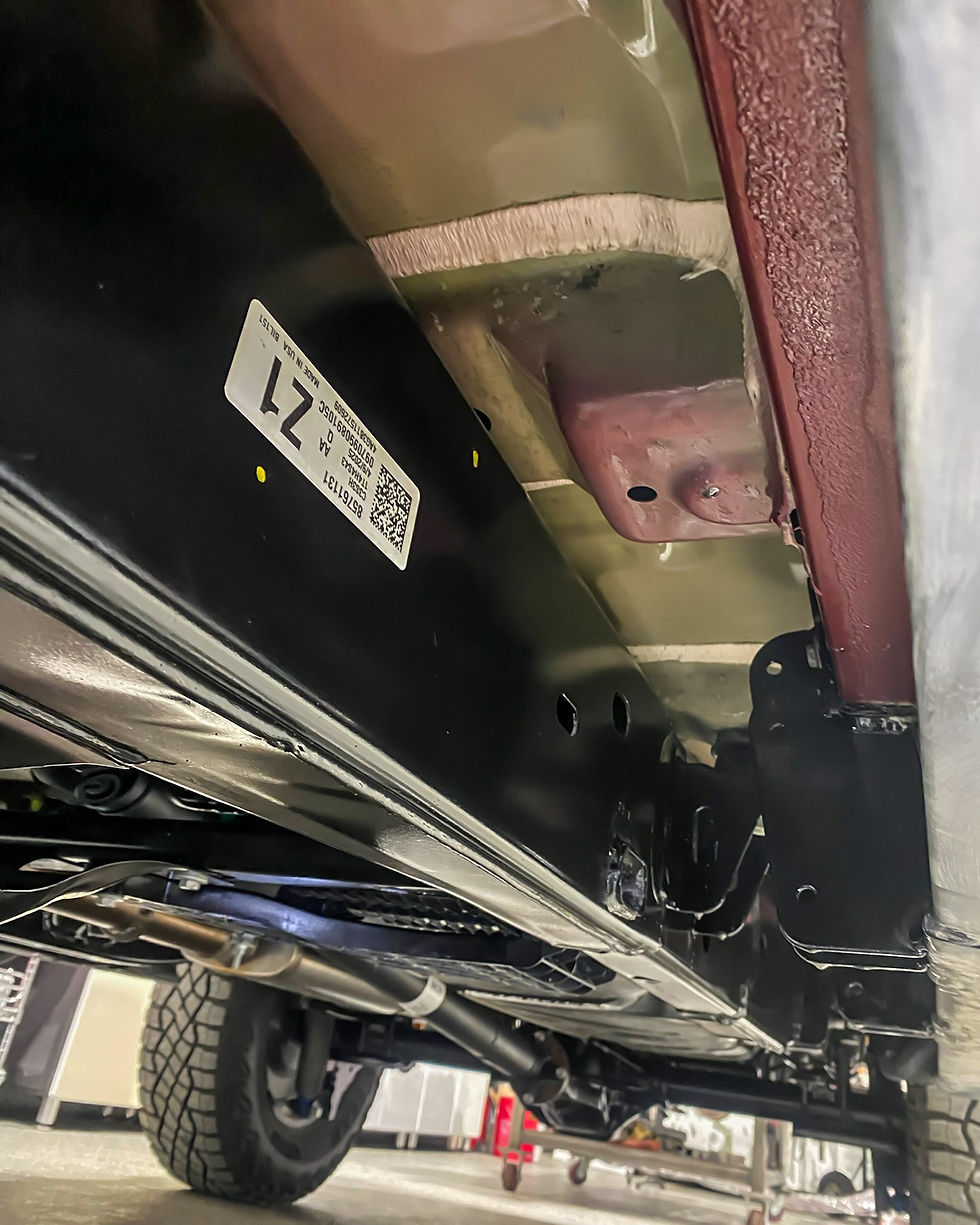
Unlike drier climates where vehicles may remain structurally clean underneath for years, Alaska vehicles often carry hidden contamination in seams, crossmembers, frame rails, brackets, and behind underbody panels. Moisture becomes trapped in areas that are difficult to fully rinse or inspect during a normal wash. Over time, corrosion begins forming underneath the vehicle long before it becomes visible from the outside.
This is especially important with modern vehicles. Today’s trucks and SUVs use more boxed frames, tighter body tolerances, plastic shields, and complex underbody layouts than older vehicles. While these designs improve efficiency and performance, they also create more places for grime and moisture to accumulate unseen.
What Hurts Resale Value the Most
When it comes time to sell or trade in a vehicle, buyers and dealerships look at far more than mileage and exterior appearance. The condition underneath the vehicle plays a major role in determining long-term value.
Corrosion is one of the biggest red flags during resale evaluations because it suggests ongoing deterioration that may become more expensive later. Rusted brackets, corroded suspension hardware, scaling frame sections, oxidized brake components, and damaged underbody coatings immediately raise concerns about how the vehicle was maintained.
Exterior paint condition also matters significantly in Alaska. Constant road debris, sand, winter grime, and improper washing techniques create swirls, scratches, staining, and surface wear that reduce the overall appearance of the vehicle. A faded or heavily marred finish often gives the impression that the entire vehicle has been neglected, even if the mechanical condition remains strong.
Interior wear is another major factor. Wet boots, snow-covered clothing, mud, salt residue, and long winters can take a serious toll on carpets, upholstery, trim panels, and interior surfaces. Once odors, staining, and wear become deeply embedded, restoring the cabin becomes far more difficult and expensive.

The Hidden Cost of Waiting Too Long
One of the most common mistakes vehicle owners make is assuming they will deal with protection later. Unfortunately, Alaska conditions do not wait.
Corrosion rarely begins as a dramatic visible issue. It typically starts in hidden areas where moisture and grime remain trapped for long periods. By the time bubbling paint, visible rust, or surface deterioration becomes noticeable, the underlying damage has often already progressed significantly.
The same principle applies to paint and interior surfaces. Minor contamination, abrasion, and wear gradually compound over time. Without correction and protection, surfaces become harder to restore and more expensive to repair later.
This is why preventative care matters so much in Alaska. Addressing problems early is almost always less expensive than correcting long-term deterioration after several winters of exposure.
Alaska vehicle resale value: Why Protection Matters More Than Ever
Modern vehicles are more expensive than they have ever been. Trucks, SUVs, and specialty vehicles routinely cost tens of thousands of dollars, making long-term preservation far more important than it was even a decade ago.
Protecting a vehicle properly helps preserve:
resale value
trade-in value
paint condition
interior condition
structural integrity
long-term appearance
owner pride
Professional undercoating helps reduce long-term exposure to corrosion underneath the vehicle, especially when combined with proper cleaning, drying, and preparation. Paint correction and exterior protection help preserve gloss, clarity, and finish quality against Alaska’s harsh environmental exposure. Interior detailing and protection help reduce long-term wear caused by moisture, grime, and seasonal use.
For many Alaska vehicle owners, these services are no longer luxury upgrades. They are part of responsible long-term ownership.
Why Spring Is the Best Time to Assess Damage
Spring is one of the most important times of year for vehicle protection in Alaska because it immediately follows the harshest driving conditions of the year. Winter contamination is still fresh underneath the vehicle, making it easier to identify areas where buildup, wear, or early corrosion may already be developing.
This is also the ideal time to fully clean the undercarriage, inspect hidden areas, correct damage, and apply long-term protection before another season of exposure begins. Waiting too long allows moisture and contamination to continue sitting underneath the vehicle through warmer months.
Many owners focus only on preparing for winter, but post-winter inspection and protection are equally important for preserving long-term value.
Long-Term Ownership Starts With Prevention
Whether you plan to keep your vehicle for five years or fifteen, preserving its condition matters. In Alaska, vehicles face a level of environmental exposure that accelerates wear far beyond what many owners expect. Protecting your investment early helps reduce long-term deterioration and keeps the vehicle looking, performing, and holding value the way it should.
At Rocket Paint Works in Soldotna, we focus on long-term vehicle preservation designed specifically for Alaska conditions. From undercoating and paint correction to interior restoration and protection packages, our goal is to help owners protect what they drive every day against the realities of Alaska roads and weather.
If your vehicle has gone through another Alaska winter, now is the time to assess the damage, correct existing wear, and protect it for the long haul.
Frequently Asked Questions
Does rust lower vehicle resale value?
Yes. Corrosion underneath a vehicle can significantly reduce both private-party resale value and dealership trade-in value because it raises concerns about long-term structural and mechanical deterioration.
Is undercoating worth it in Alaska?
For many Alaska vehicle owners, professional undercoating is one of the best long-term investments they can make to help reduce corrosion exposure underneath the vehicle.
Does detailing help preserve vehicle value?
Yes. Maintaining the paint, interior, and overall condition of a vehicle helps improve appearance, reduce wear, and preserve resale value over time.
Why do Alaska vehicles wear out faster?
Alaska vehicles are exposed to road salt, moisture, freeze-thaw cycles, gravel, and harsh seasonal driving conditions that accelerate wear and corrosion.
When should I protect a new vehicle?
The earlier protection is applied, the better. Starting early helps prevent contamination, corrosion, and long-term surface deterioration before damage becomes established.
If your vehicle has gone through another Alaska winter, now is the time to protect what you drive before long-term damage sets in. Call Rocket Paint Works at 907-741-7780 or message us today to learn more about undercoating, correction, and long-term vehicle protection designed for Alaska conditions.


Comments